
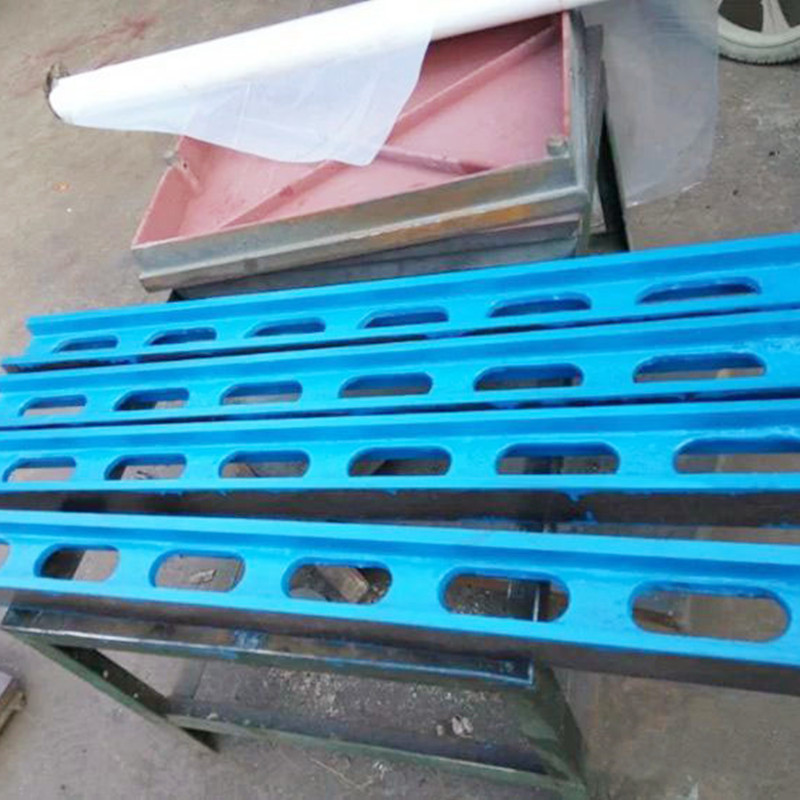
black led mirror bathroom
Marking Out Tools in Metal Work Marking out is a critical process in metalworking that lays the foundation for precision and accuracy in manufacturing components and assemblies. It refers to the technique of transferring measurements onto a workpiece to guide subsequent operations such as cutting, drilling, and machining. The significance of marking out cannot be overstated, as any mistakes at this stage can lead to wasted materials, time, and effort. This article will explore various marking out tools commonly used in metalworking, their applications, and the importance of precision in the marking out process. 1. Scribes Scribes are one of the primary tools used in marking out. Typically made of hardened steel, scribes produce a fine, precise line on the surface of the metal. They are especially effective for marking on hard materials and can be used in conjunction with other measuring tools to enhance accuracy. When using a scribe, it’s essential to ensure that the surface is clean and free of oxidation to allow for clear markings that are easily visible. 2. Calipers Calipers, including vernier calipers, digital calipers, and dial calipers, are indispensable tools for measuring dimensions accurately. They can be used to measure internal and external dimensions as well as depths. Once measurements are taken, the caliper can also help mark precise locations on the workpiece using a scribe or a marking pen. Digital calipers are particularly favored for their ease of use and ability to provide quick readings, reducing the chance of human error in manual readings. 3. Marking Gauges Marking gauges are used to transfer measurements from a reference edge to the workpiece. They typically consist of a sharp point and an adjustable arm to set the required distance. There are several types of marking gauges, including surface gauges, which are useful for marking lines parallel to a reference surface, and mortise gauges, designed for marking mortises and other specific applications. The use of a marking gauge allows for consistent and accurate depth or width markings. marking out tools in metal work 4. T-Squares and Set Squares T-squares and set squares are essential tools for marking right angles and straight lines. The T-square, with its long horizontal arm and perpendicular vertical arm, is ideally suited for larger workpieces, while set squares are more versatile for smaller applications. These tools are especially important when creating layouts for assemblies where precise angles are critical to the integrity of the final product. 5. Markers and Chalk Line For larger surfaces or when visibility is a concern, markers—such as permanent markers or specialized metal markers—can be employed. Additionally, chalk lines can be used to mark long straight lines over considerable distances. Chalk line tools allow for the creation of straight lines quickly, making them invaluable for setting up layouts in large sheets or sections of metal. 6. Die and Tool Marking For specific applications, die and tool marking techniques can be used. Dies often feature engraved patterns that can be pressed onto the workpiece to create precise outlines or designs. Tool marking is particularly useful in production environments where identical parts are made repeatedly, ensuring consistency across each component. Conclusion In conclusion, the marking out process is an essential step in metal working that helps ensure accuracy and efficiency in manufacturing. The array of tools available—from scribes and calipers to marking gauges and chalk lines—provides metalworkers with the means to achieve precise and reliable layouts for their projects. Understanding the proper use of each tool, along with an appreciation for meticulous measurement, can significantly impact the quality of the finished product. In an industry where precision is paramount, investing time in mastering marking out tools will undoubtedly lead to improved outcomes and greater success in metalworking endeavors.
about
black led mirror bathroom
Standard Bore Gauge En Nøgle til Præcision inden for Måleteknik Inden for måleteknik spiller standard bore gauge en uvurderlig rolle i at sikre nøjagtighed og pålidelighed i en række industrielle og tekniske anvendelser. En bore gauge, også kendt som en borhuls-måler, er et instrument designet til at måle indvendige diametre på cylindriske huller, og derfor er den vigtig for mange industrier, herunder bilproduktion, flyindustrien og maskinfabrikation. Hvad er en Standard Bore Gauge? En standard bore gauge er typisk et præcisionsinstrument, som bruges til at måle diameteren af borede huller, og dens design er ofte baseret på internationale standarder for at sikre ensartethed og pålidelighed. Den består normalt af en skala, der kan aflæses for at bestemme diameterens størrelse, og den kan være udstyret med forskellige standardmål for at imødekomme forskellige applikationer. Det kan være analogt eller digitalt, afhængigt af behovene i den specifikke industri. Hvorfor er det vigtigt? Afstanden mellem komponenter i et produkt kan have stor indflydelse på dets ydeevne. I bilindustrien kan en lille variation i diameteren af et borhul føre til ineffektivitet eller endda mekaniske fejl. Standard bore gauges gør det muligt for ingeniører og teknikere at kontrollere, om især forlængede og specielle huller har den rigtige måling, hvilket derefter sikrer, at de dele, der skal monteres fremad, fungerer korrekt sammen. Dette beskytter ikke bare mod fejl, men det fremmer også en bedre kvalitet af det endelige produkt. Målemetoder En standard bore gauge kan anvende flere målemetoder, herunder 1. Vernier En simpel, men effektiv metode, hvor målingen aflæses direkte fra en skala. 2. Digital måling Giver øjeblikkelig aflæsning og mulighed for mere komplekse målinger. 3. Indvendige måleprober Disse kan indstilles til forskellige dybder, hvilket er nyttigt i applikationer, hvor huller ikke altid er ensartede. standard bore gage Det er vigtigt at vælge den rigtige type bore gauge baseret på hvilket materiale, der måles, samt hvilke tolerancer der kræves. Anvendelse i Industrien I industrien finder vi behovet for at kontrollere borhuller dagligt. I bilsektoren er der strenge krav til tolerancer, da det påvirker motorens ydeevne og sikkerheden i køretøjet. For flyindustrien er nøjagtigheden ikke bare en krav, men en livsnødvendighed – hvert hul, en bolt eller komponent går igennem, skal måles ned til den mindste detalje. Udfordringer og Fremtidige Tendenser Selvom standard bore gauges er pålidelige, er der stadig udfordringer knyttet til præcision og måleteknologi. Udviklingen inden for teknologi betyder, at vi nu ser avancerede måleteknologier, der kombinerer metoder som laserskanning og 3D-måling for at opnå endnu højere nøjagtighed. Fremtiden for bore gauges ser lys ud, med muligheden for integration af IoT (Internet of Things) for bedre dataindsamling og analysatorer, der kan hjælpe med at sikre kontinuerlig overvågning af måleprocessen. Konklusion Standard bore gauges har sin plads i at sikre kvalitet og præcision i mange industrier. Ved at investere i de rette måleværktøjer kan virksomheder undgå fejl og forbedre effektiviteten i deres produktionslinjer. Med den fortsatte udvikling inden for teknologi vil vi se endnu mere innovative løsninger, der gør måleteknik mere præcis og effektiv. Uanset hvilken industri det drejer sig om, vil standard bore gauges fortsat være en kritisk komponent i stræben efter kvalitet og præcision.
-

High quality industrial productsagement

High quality industrial products
View Details -

Meet the diverse needs of customers

Meet the diverse needs of customers
View Details -

Strict quality control

Strict quality control
View Details -

Top raw materials

Top raw materials
View Details -

Trusted supplier

Trusted supplier
View Details
Our application

news and information
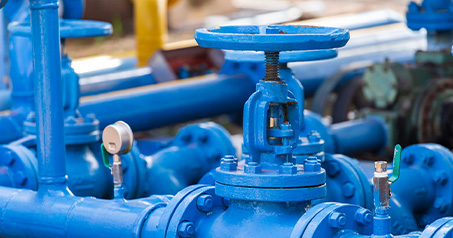
wskazuje mikrometr
Indykatory Mikrometryczne Zastosowanie i Właściwości Indykatory mikrometryczne to precyzyjne narzędz
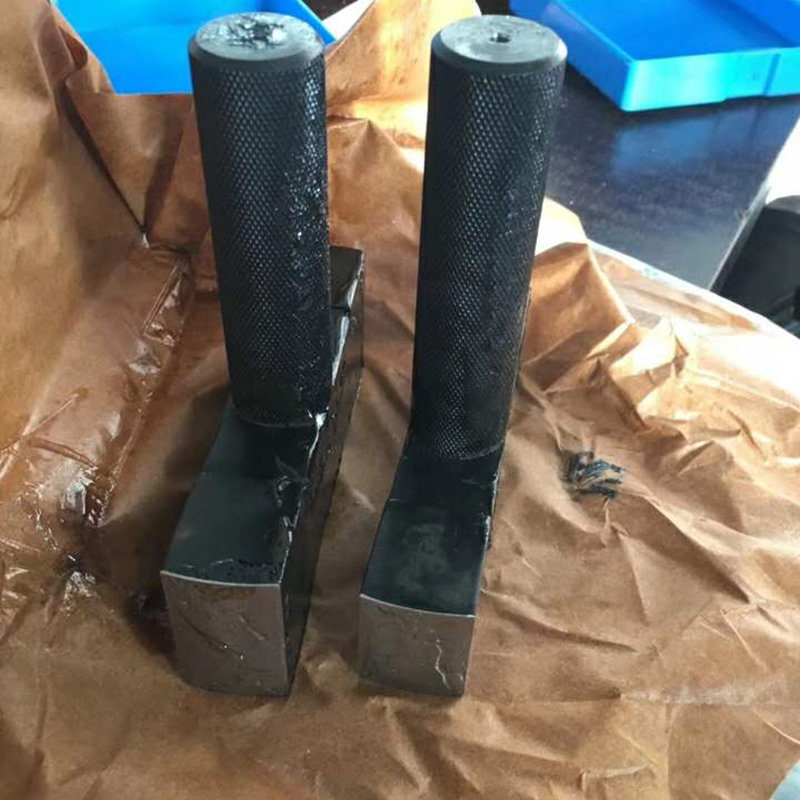
welding table clamps for versatile and secure workholding solutions
Understanding Welding Table Clamps A Comprehensive Guide Welding is an essential process in various
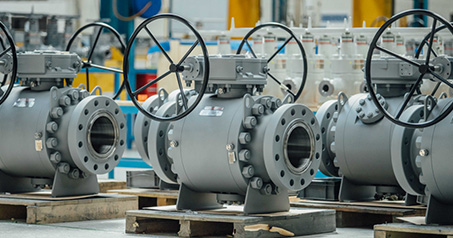
Vnitřní měřidlo průměru pro přesné měření trubkových a válcových otvorů
Interní měřidlo průměru Klíčový nástroj pro precizní měření Interní měřidlo průměru, známé také jako
 English